
Suicide Prevention From Awareness to Action Strategies
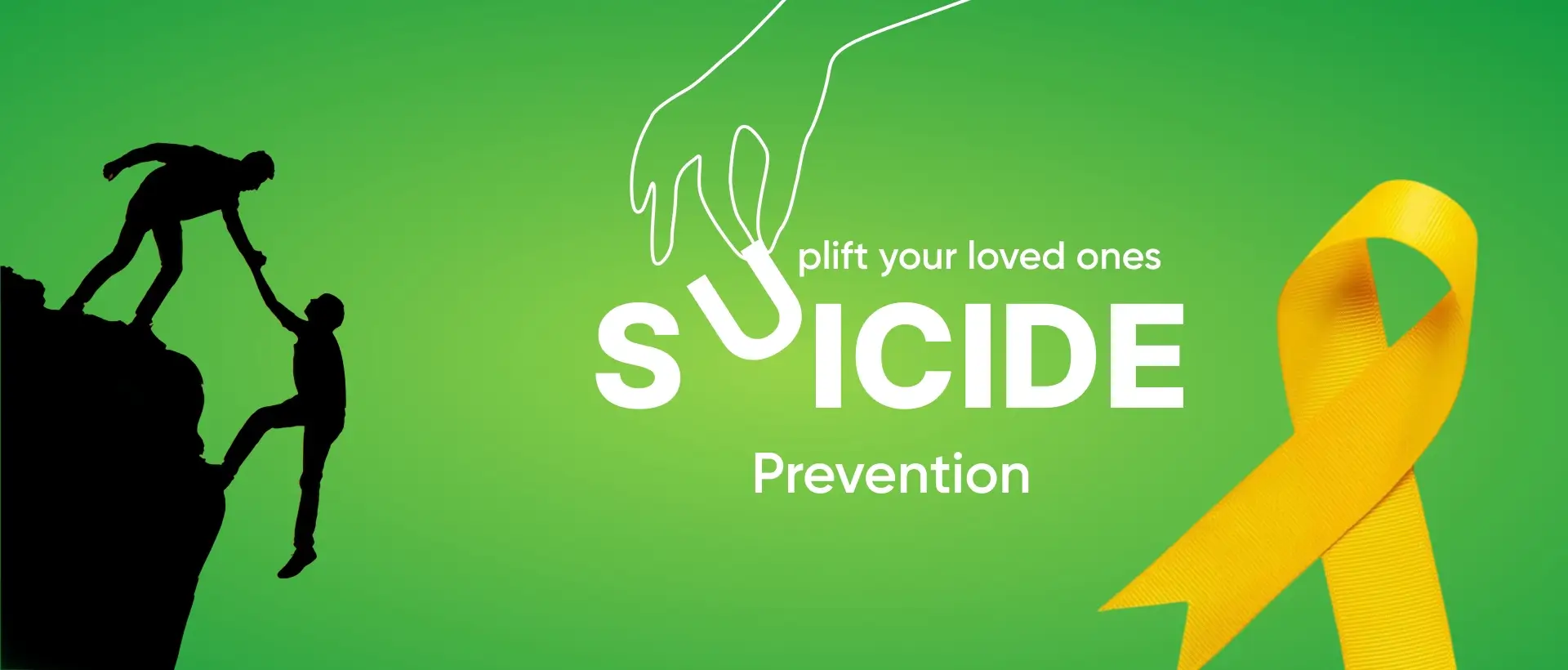
Suicide is a deeply complex and sensitive issue, often misunderstood and stigmatized. It is not merely the result of a single cause but rather the culmination of multiple, interwoven factors. While mental health challenges, such as depression and anxiety, are commonly associated with suicide, other significant contributors include financial difficulties, academic pressure, personal trauma, and chronic stress. To effectively prevent suicide, it is crucial to delve into these various causes and address them holistically. By understanding the intricate web of factors that can lead to suicidal thoughts or actions, society can better support those in need, providing them with the comprehensive care and compassion they deserve.
Suicide: More Than Just Mental Health
When we think about suicide, mental health is often the first thing that comes to mind. Indeed, conditions like depression and anxiety are closely linked to suicidal thoughts and behaviors. However, it's important to recognize that not all cases of suicide are directly tied to mental health issues. Many individuals who experience suicidal thoughts or take their own lives may not have a diagnosed mental health condition at all.
Economic and Social Factors in India
- Farmer Suicides Due to Debt: Economic stress is a leading cause of suicide among farmers in India. Issues like heavy debt, crop failures, and fluctuating market prices create severe financial pressure. In 2020, over 10,000 farmers died by suicide, largely due to economic strain. Restricting access to pesticides, commonly used in these suicides, has helped reduce rates in some rural areas.
- Student Suicide and Exam Pressure: Students in India face immense pressure to succeed academically. High expectations, fear of failure, and the need to excel contributed to 13,044 student suicides in 2022. It is crucial to strengthen mental health support in schools and encourage students to seek help when feeling overwhelmed.
- The Impact of Trauma: Traumatic experiences, such as violence, abuse, or the loss of a loved one, can increase suicide risk. Victims of domestic violence, particularly women, are at higher risk. Marginalized groups facing discrimination often feel isolated and unsupported, raising their suicide risk. Creating safe, supportive environments is essential for these vulnerable individuals, for more detail information read Not all Suicide related to mental health.
Changing Suicide Laws in India
Historically, attempting suicide was illegal in India, discouraging people from seeking help. The Mental Healthcare Act of 2017 marked a shift towards providing support rather than punishment. The upcoming Bhartiya Nyaya Sanhita 2023 will further decriminalize suicide attempts, encouraging individuals to seek help without fear. For a detailed view on Changing Suicide Laws in India read the article given in the link.
Countries like Sri Lanka and Singapore, which have removed criminal penalties for suicide attempts, have seen reductions in suicide rates. This demonstrates that support and understanding are more effective than punitive measures.
Why It’s Hard to Talk About Suicide
Discussing suicide can be challenging due to stigma, fear of judgment, and cultural taboos. Many people worry that talking about suicidal thoughts will lead to negative judgments or be seen as seeking attention. This fear often results in silence, worsening the problem. Education and awareness can help reduce stigma and encourage open conversations about suicide.
➡️ Related: Talking about suicide: How your words can save lives
The Role of Data in Preventing Suicide
Accurate data on suicide rates and methods is vital for developing effective prevention strategies. Understanding trends and risk factors helps allocate resources effectively and address root causes. For instance, Sri Lanka's restriction on toxic pesticides led to a significant drop in suicide rates. In India, this intervention also gave positive results. Data helps identify at-risk groups, such as farmers and students, and tailor prevention efforts accordingly.
Innovative Approaches to Suicide Prevention
In recent years, India has adopted innovative strategies to enhance suicide prevention:
- Digital Interventions: Technology provides immediate mental health support and resources, improving accessibility and reducing suicidal thoughts. Digital platforms offer educational materials and coping strategies, complementing traditional services.
- Peer Support Programs: Organizations like The Banyan and Sangath offer peer-led workshops and counseling, reducing isolation and promoting well-being. These programs leverage personal experiences to provide guidance and support.
World Suicide Prevention Day: Raising Awareness Globally
Observed annually on September 10, World Suicide Prevention Day, initiated by the International Association for Suicide Prevention (IASP) and the World Health Organization (WHO) in 2003, raises awareness about suicide as a global public health issue, with over 700,000 lives lost annually. Launched in Stockholm, it emphasizes that suicides are preventable through collective action. As then-IASP President Professor De Leo stated, “This will be the day for governments to know that suicide must be a priority in their public health agenda.” The initiative unites IASP, governments, NGOs, clinicians, researchers, and volunteers to promote awareness, reduce stigma, and encourage compassionate support.
World Suicide Prevention Day Themes
Each year, the theme highlights a focused message to inspire action. From 2024 to 2026, the theme “Changing the Narrative on Suicide” with the call to action “Start the Conversation” promotes open discussions to reduce stigma and support policy changes for better mental health care.
Changing the Narrative on Suicide (2024–2026 Theme)
The theme for 2024–2026, “Changing the Narrative on Suicide,” calls for a shift from silence and stigma to openness, empathy, and support. It encourages individuals, communities, and governments to talk openly about suicide, raise awareness, and foster understanding.
This change also means pushing for policies that prioritize mental health, improve access to care, and support those in need. It’s about listening without judgment, showing compassion, and guiding people toward help. World Suicide Prevention Day is a time to support those with lived experience, raise awareness, and unite communities in creating hope. Wherever you are on this journey, your voice matters.
National Strategies for Suicide Prevention
India’s National Suicide Prevention Strategy (NSPS) aligns with global efforts, targeting effective surveillance mechanisms by 2025, suicide prevention services through the District Mental Health Programme by 2027, and a mental wellbeing curriculum in all educational institutions by 2030. Similarly, the U.S. National Strategy for Suicide Prevention, launched in 2001 and revised in 2012, adopts a public health approach, focusing on identifying patterns and risk factors to inform prevention efforts.
Community-Based Approaches
Programs like the Saath helpline and Sneha Suicide Prevention Center offer local support and crisis intervention. These initiatives create a safety net for those in need, providing immediate assistance and raising awareness.
School-Based Programs
Initiatives such as "Mind Matters" in Chennai and "Yuva Maitri" in Maharashtra provide counseling and mental health education to students and educators. These programs help recognize and respond to signs of distress, improving mental health literacy among youth.
Integration of Mental Health Services
The District Mental Health Program (DMHP) and Tele-MANAS make mental health care accessible across India, particularly in underserved areas. These programs offer teleconsultation and integrate mental health services into primary care.
Mental Health First Aid India (MHFA)
MHFA India trains individuals to provide immediate support during mental health crises. This training empowers people in various settings to act as first responders, offering crucial support until professional help is available.
For immediate crisis support in Chennai, contact Sneha Suicide Prevention Center at +91 44 2464 0050. For National Support Contact India Suicide Helpline Directory | AASRA 91-9820466726. For training and resources, visit MHFA India.
➡️ Related: Suicide Prevention in India: Innovative Approaches with Tech & Community Programs
How Communities Can Help
Communities play a crucial role in suicide prevention. Programs like Mental Health First Aid train individuals to recognize and respond to suicidal thoughts, creating a robust support network. Training, especially in rural areas, helps ensure that community members can provide immediate assistance. Ongoing education and refresher courses keep them informed about best practices.
Suicide Prevention Helpline in India
| Helpline Name | Location | Number |
|---|---|---|
| Fortis Stress Helpline | Delhi | +91 8376804102 |
| Saath | Ahmedabad | +91 79 26305544, 26300222 |
| SNEHA | Chennai | +91 044 24650050 |
| Vandrevala Foundation | Mumbai | 1800-233-3330 (9999666555) |
| Tata Institute of Social Sciences iCall | Mumbai | 022 25521111 |
| The Samaritans Mumbai | Mumbai | +91 84229 84528/29/30 |
| Maitra Helpline | Thane | +91 022 25385447 |
Conclusion
Preventing suicide requires a broad approach that includes understanding economic and social factors, changing harmful laws, breaking down conversation barriers, and using data to guide efforts. By working together and supporting each other, we can create a society where everyone feels safe, valued, and supported. If you or someone you know is struggling, reach out for help. Support is available through the Tele-MANAS helpline at 1800-233-3330. Remember, you are not alone, and help is available.
Explore the 2026 National Task Force Interim Report for key insights on student mental health and suicide prevention.

Frequently Asked Questions (FAQ's)
What is World Suicide Prevention Day?
Observed annually on September 10, it's a joint IASP and WHO initiative launched in 2003 to raise awareness about suicide's widespread global impact and promote prevention efforts through collective action.
What are the main causes of suicide in India?
Key causes include mental health conditions (e.g., depression, anxiety), economic stress (e.g., farmer debt), intense academic pressure, personal trauma, and social isolation among marginalized communities.
How does stigma affect suicide prevention?
What is the 2026 theme for World Suicide Prevention Day?
"Changing the Narrative on Suicide" encourages more open conversations, actively reduces stigma, and promotes stronger policies for improved mental health care access.
How can I help someone who is suicidal?
Listen without judgment, offer genuine compassion, and guide them toward helplines like Sneha (+91 44 2464 0050) or AASRA (+91-9820466726) for immediate professional support.
What is India’s National Suicide Prevention Strategy?
The NSPS aims to establish comprehensive surveillance by 2025, expand services through the District Mental Health Programme by 2027, and integrate mental health education within schools by 2030.
How does data help in suicide prevention?
Accurate data helps identify trends and key risk factors, enabling well-targeted interventions — such as pesticide restrictions introduced in India and Sri Lanka — which have measurably reduced suicide rates.
What role do communities play in suicide prevention?
Communities provide vital support through programs like Mental Health First Aid, training members to recognize signs of distress and offer immediate assistance, particularly in rural and underserved areas.
How have laws in India changed regarding suicide?
The Mental Healthcare Act of 2017 and the forthcoming Bhartiya Nyaya Sanhita 2023 both decriminalize suicide attempts, actively encouraging help-seeking behavior without fear of legal punishment.
What are some innovative suicide prevention strategies in India?
Digital platforms provide more accessible mental health resources, while peer support programs like The Banyan and Sangath offer structured counseling to meaningfully reduce isolation and distress.