
Talk About Suicide: Barriers to Starting the Conversation
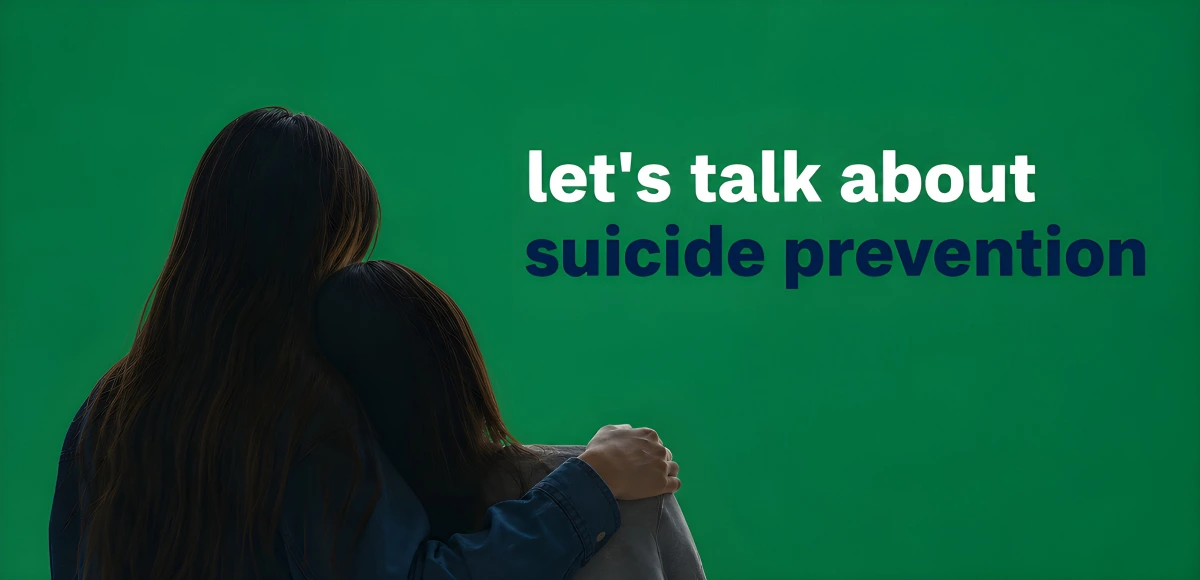
Talking about suicide is never easy, even as awareness of mental health issues grows. Stigma and fear often stop people from expressing their feelings or seeking help. Despite suicide being a leading cause of death among young people, it remains a difficult topic to discuss openly. Understanding these barriers is the first step in breaking them down and helping those in need feel supported.
The Fear of Judgment
One of the biggest reasons people avoid talking about suicide is the fear of judgment. Many worry that others will see them as weak, seeking attention, or even dangerous if they share their thoughts. This fear of being misunderstood can lead people to keep their feelings to themselves, making them feel even more isolated and hopeless. According to the World Health Organization (WHO), suicide remains a leading cause of death among 15-29-year-olds globally, yet many feel too afraid to discuss it.
Cultural and Societal Norms
In many cultures, particularly in India, talking about suicide is seen as taboo. These societal norms can make people feel that their struggles are not valid or that they should deal with their pain alone. The National Crime Records Bureau (NCRB) reported 1.71 lakh suicides in India in 2022, and recent trends suggest this number has likely remained high, reflecting the impact of cultural stigma. In India, where mental health discussions are often avoided, these barriers prevent people from seeking help.
Lack of Education and Awareness
Another barrier to starting conversations about suicide is the lack of education about mental health. Many people in India do not know the warning signs of suicide or how to approach someone who may be struggling. This knowledge gap can lead to fear and uncertainty, making it hard to reach out. A study published in the Journal of Clinical Psychiatry showed that only 39% of adults could identify the major signs of suicidal thoughts, a challenge89 that persists in India due to limited mental health literacy.
How to Start a Conversation About Suicide?
Starting a conversation about suicide requires sensitivity and care. Begin by choosing a private, comfortable setting and expressing genuine concern without judgment. For example, you might say, “I’ve noticed you seem really down lately, and I’m here for you. Are you okay?” Simple, open-ended questions can encourage someone to share. In India, where stigma is high, reassuring someone that it’s okay to talk about their feelings can make a big difference. Likewise, questions on suicide can be asked directly. For example, “Are you having suicidal thought?”.
What If I Think Something Is Wrong but They Insist They’re Okay?
Sometimes, people may deny their struggles due to shame or fear. If you suspect something is wrong, trust your instincts and gently persist. You could say, “I care about you, and I’m here whenever you’re ready to talk.” Avoid pushing too hard, but check in periodically and observe for warning signs like withdrawal or changes in behavior, which is critical to recognize.
Should I Keep Their Suicide Plans to Myself?
If someone shares suicidal thoughts or plans, it’s critical not to keep it a secret, even if they ask you to. Their safety comes first. In India, where family and community ties are strong, it may feel challenging to break their confidence, but sharing their plans with a trusted family member, friend, or professional can be lifesaving. Explain that you’re involving others because you care about their well-being, and guide them toward resources like the Tele-MANAS helpline.
What If They Don’t Want to Talk to a Professional?
Resistance to professional help is common due to stigma or fear, particularly in India, where mental health service usage remains low. Gently encourage them by normalizing seeking help, saying, “Talking to a professional is like getting help for any other health issue—it’s a step toward feeling better.” Offer to help find a counselor or accompany them to an appointment, emphasizing that resources like Tele-MANAS are confidential and supportive.
How to Help Someone You Know Who Is Suicidal?
To support someone who may be suicidal, listen actively and show empathy without offering quick fixes or dismissing their feelings. Stay calm and acknowledge their pain, saying, “I’m really glad you’re sharing this with me. Let’s figure out how to get you some support.” Encourage them to seek professional help through India’s Tele-MANAS or NGOs like The Live Love Laugh Foundation. Offer practical support, like staying with them or helping them connect with a counselor, which can be lifesaving.
Steps to Encourage Open Conversations
To help people feel safe talking about suicide, we need to create an environment where these conversations are normalized and encouraged. Here are some steps we can take:
- Educate Yourself: Learn about the warning signs of suicide and how to offer support. Knowledge can make you more confident when starting these conversations.
- Listen Without Judgment: When someone opens up about their feelings, listen to them without judging or interrupting. Show empathy and understanding.
- Encourage Openness: Promote an atmosphere where talking about mental health is seen as normal and healthy. Encourage friends and family to share their feelings.
- Seek Professional Help: If someone is struggling, encourage them to seek help from mental health professionals. Offer to support them in finding the right resources.
The Role of Public Health Suicide Prevention Campaigns
Public health campaigns are vital in reducing stigma and raising awareness about suicide prevention in India. Initiatives like the WHO’s #40seconds campaign, which highlights that someone dies by suicide every 40 seconds, can inspire action. In India, campaigns like the Ministry of Health’s National Mental Health Programme and NGOs like The Live Love Laugh Foundation work to educate communities, provide resources, and encourage open discussions about mental health.
Resources for Help
If you or someone you know is struggling with thoughts of suicide, help is available:
- Tele-MANAS Helpline in India: Call 14416 or 1800-91-4416 for immediate support.
- AASRA: Contact 9820466726 for 24/7 suicide prevention support in India.
- WHO Suicide Prevention Resources: Access global mental health resources at WHO’s official website.
| Helpline Name | Location | Number |
|---|---|---|
| Fortis Stress Helpline | Delhi | +91 8376804102 |
| Saath | Ahmedabad | +91 79 26305544, 26300222 |
| SNEHA | Chennai | +91 044 24650050 |
| Vandrevala Foundation | Mumbai | 1800-233-3330 (9999666555) |
| Tata Institute of Social Sciences iCall | Mumbai | 022 25521111 |
| The Samaritans Mumbai | Mumbai | +91 84229 84528/29/30 |
| Maitra Helpline | Thane | +91 022 25385447 |
Conclusion
Breaking down the barriers to talking about suicide is essential for supporting those in crisis. By addressing fears, cultural stigmas, and lack of awareness, we can foster a compassionate environment where people feel safe to share their struggles. In India, where suicide remains a significant public health issue, everyone—individuals, parents, and communities—has a role in promoting open conversations and supporting initiatives like Tele-MANAS and public health campaigns. Together, we can make a difference and help those in need feel supported and understood.