
World Mental Health Day: Why it Matters and How to Get Involved
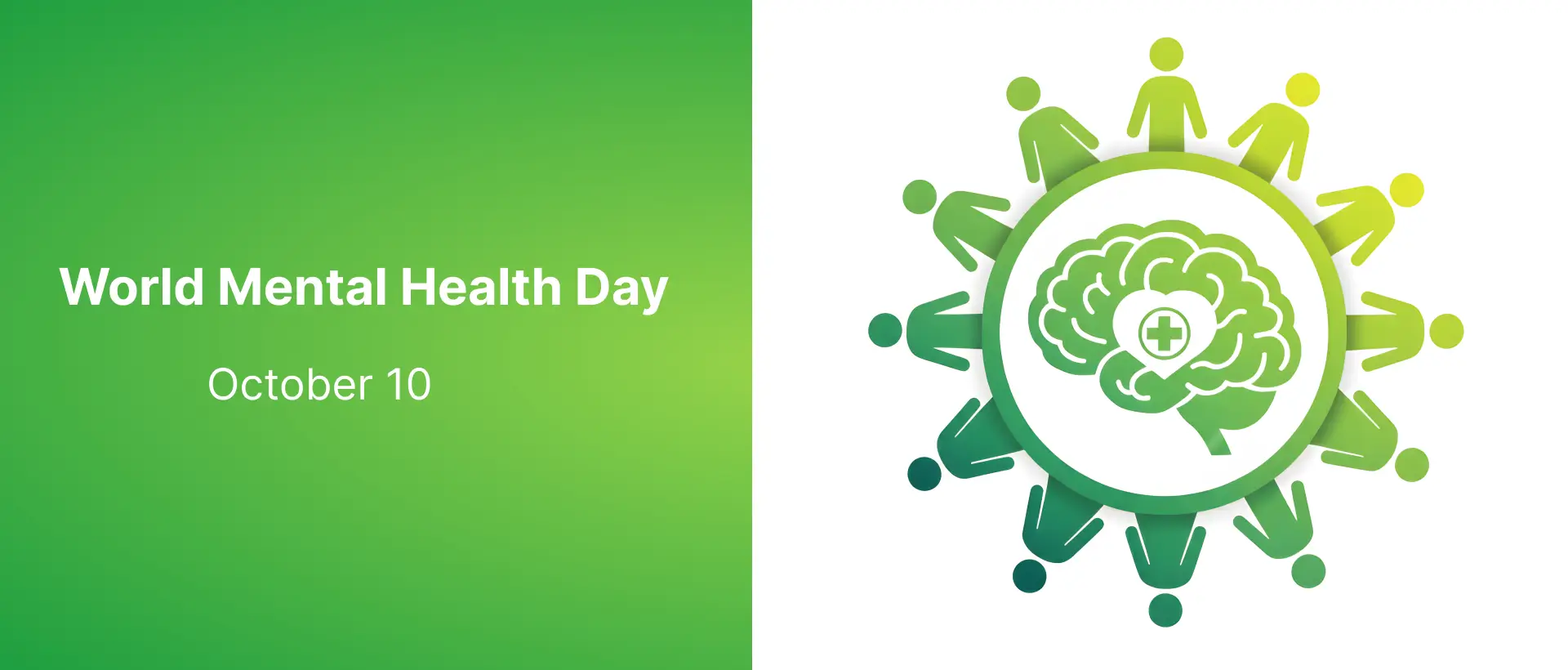
Stigma remains one of the biggest barriers that stops people from opening up about their mental health. Many individuals hesitate to share their struggles out of fear of being misunderstood or judged. Instead of seeking support, they often remain silent, which can worsen symptoms, increase feelings of isolation, and, in some cases, lead to harmful coping mechanisms such as substance use, self-harm, or even suicidal thoughts.
Breaking this stigma means creating safe, supportive spaces where people feel encouraged to talk about their challenges, seek help, and access the care they need.
Mental health influences every part of our lives — our relationships, our performance at work, our physical health, and our overall quality of life. Yet, despite its importance, mental health is still widely overlooked and stigmatized. World Mental Health Day is a vital annual reminder to put mental well-being at the center of our priorities and to foster environments where everyone feels supported.
What is World Mental Health Day?
World Mental Health Day is an international awareness day observed annually on October 10th, dedicated to promoting mental health education, raising awareness about mental health issues, and mobilizing efforts to support mental health initiatives worldwide. This global observance raises awareness of mental health issues around the world and mobilizes efforts in support of mental health.
The day serves multiple purposes: it educates the public about mental health conditions, reduces stigma surrounding mental illness, advocates for better mental health services, and encourages individuals to seek help when needed. Organizations, governments, healthcare providers, and communities worldwide participate in various activities, campaigns, and programs designed to promote mental wellness and support those affected by mental health challenges. The observance provides a platform for mental health advocates, professionals, and individuals with lived experience to share their stories, knowledge, and resources with broader audiences.
History of World Mental Health Day
World Mental Health Day was first celebrated on October 10, 1992, at the initiative of the World Federation for Mental Health, led by then-Deputy Secretary General Richard Hunter (WHO, 2024). The World Federation for Mental Health, established in 1948, is an international membership organization dedicated to advancing awareness and proper treatment for those with mental and emotional disorders.
The World Federation for Mental Health is a global mental health organization with members in more than 150 countries, and it has been working to promote mental health awareness since its founding. The inaugural theme in 1992 focused on "Improving the Quality of Mental Health Services throughout the World," setting the foundation for annual thematic approaches that continue today. Over the past three decades, World Mental Health Day has evolved from a single day of awareness into a global movement that spans weeks and months of activities, conferences, and community celebrations across different countries and cultures.
Why is World Mental Health Day Important?
Mental health is a fundamental component of our overall well-being, providing us with the capacity to cope with stress, maintain relationships, and make sound decisions. Good mental health benefits not just individuals but also families, communities, and societies as a whole. However, the importance of mental wellness and issues surrounding it are often highly disregarded and misunderstood in our daily lives.
Statistics reveal a concerning reality (globally) "one in four people will experience a mental health issue at some point in their lives". Conditions such as depression, anxiety, bipolar disorder, and schizophrenia are not uncommon, yet they are frequently met with silence and misunderstanding. This is where World Mental Health Day plays a pivotal role by encouraging open discussions, sharing personal experiences, and promoting understanding. The day provides an opportunity for policymakers, healthcare systems, employers, and communities to evaluate their current mental health resources and identify areas for improvement, ultimately creating momentum for systemic changes that can save lives and strengthen communities.
World Mental Health Day Themes & Years
Each year, the World Federation for Mental Health selects a specific theme that reflects current mental health priorities and challenges. These themes guide global activities and help focus attention on particular aspects of mental wellness:
World Mental Health Day 2026
The theme for World Mental Health Day 2026 is “Lived Experiences Heard: Real Voices, Real Change.” The World Federation for Mental Health (WFMH) encourages organisations worldwide to organise events around this theme, amplify lived experiences, and support the World Health Organization’s initiative on deinstitutionalisation.
World Mental Health Day 2025
The World Federation for Mental Health has announced that the 2025 theme is "Access to services – mental health in catastrophes and emergencies" (Mental Health Foundation, 2025; United for Global Mental Health, 2024). This theme highlights the critical importance of ensuring people can access mental health support during times of crisis, recognizing that emergencies and disasters significantly impact psychological well-being.Previous Years' Themes:
| Year | Theme | Focus |
|---|---|---|
| 2024 | Mental Health at Work | Creating psychologically safe work environments |
| 2023 | Mental health is a universal human right | Emphasizing mental wellness accessibility for all |
| 2022 | Make Mental Health & Well-Being for All a Global Priority | Calling for collective global action |
| 2021 | Mental health care for all: let's make it a reality | Advocating universal access to care |
| 2020 | Move for mental health: Increased investment in mental health | Highlighting funding and resource needs |
| 2019 | Focus on Suicide Prevention | Addressing suicide as a global public health issue |
| 2018 | Young people and mental health in a changing world | Focusing on youth mental health |
World Mental Health Day: Raising Awareness and Breaking Stigma
Stigma is still one of the biggest barriers that keeps people from opening up about their mental health. Many hesitate to seek help because they fear being judged or misunderstood, so they often hide their struggles. This silence can make symptoms worse, create feelings of isolation, and sometimes lead to harmful coping strategies such as substance use, self-harm, or even suicidal thoughts.
Breaking the stigma means building safe, supportive environments where people feel encouraged to talk, reach out for help, and access the support they need.
The Impact of Stigma
Understanding how stigma affects mental health is crucial for creating meaningful change in our communities. Stigma takes many forms, each creating unique barriers to mental wellness and recovery:
- Self-Stigma: One of the major impacts occur when individuals internalize negative attitudes and stereotypes about mental health, leading to feelings of shame and worthlessness. This internal battle often prevents people from acknowledging their struggles or seeking professional help.
- Public Stigma: General society's misconceptions about mental health create discrimination against individuals with mental health problems and disorders . These societal attitudes can manifest in workplace discrimination, social exclusion, or judgmental reactions from community members.
- Institutional Stigma: This refers to policies and practices of organizations and systems that contribute to perpetuating stigmatized environments, making care-seeking more difficult. Healthcare systems, educational institutions, and employers may inadvertently create barriers through inadequate mental health resources or discriminatory practices.
World Mental Health Day facilitates addressing all these forms of stigma by promoting open conversations, sharing personal experiences, and fostering understanding across communities, families, and individuals. Through education, advocacy, and compassionate dialogue, we can work together to dismantle these barriers and create supportive environments for everyone's mental wellness journey.
Ways to Celebrate World Mental Health Day
On World Mental Health Day, we are reminded of the various ways we can promote mental health and well-being in our communities. Participating in this important observance doesn't require grand gestures – meaningful contribution can happen through simple, intentional actions that create positive change in your immediate environment and beyond.
Personal Actions for Mental Wellness
- Educate Yourself and Others: Knowledge is power. Understanding mental health issues helps dispel myths and misconceptions. Share resources, books, or articles with friends and family to foster a culture of learning and awareness.
- Practice Self-Care: Taking care of yourself is the first step in being able to help others. Engage in activities you enjoy – whether it's going for a walk, practicing meditation, or playing music.
- Encourage Open Conversations: Normalize discussions around mental health by sharing your own experiences or simply asking others how they are doing. Creating a safe space for dialogue helps individuals feel less alone.
- Check in with Others: Reach out to friends, family members, and colleagues about their well-being through meaningful connections and supportive conversations.
Community Involvement Opportunities:
- Get Involved in Local Organizations: Join mental health groups and events in your community to learn, volunteer, and show your support for important initiatives.
- Be a Voice for Change: Advocate for better mental health services by discussing their importance with friends, family, and local leaders.
- Seek Help When Needed: If you or someone you know is struggling, don't hesitate to reach out for help. Therapists, support groups, and crisis hotlines are available to provide support and guidance.
How Can Schools and Colleges Participate in World Mental Health Day?
Educational institutions play a crucial role in promoting mental wellness among young people, making their participation in World Mental Health Day particularly valuable. Schools can implement age-appropriate activities that teach students about emotional.
High Schools and Universities
- Host mental health fairs with information booths from local counseling services
- Organize peer support groups or mental health first aid training sessions
- Invite mental health professionals to speak about the topic of relevance to the students/ school
- Create safe spaces for students to discuss academic pressure, social challenges or other grievances
- Develop partnerships with local mental health organizations for ongoing support
- Establish mental health resource centers with books, pamphlets, and contact information for professional services
➡️ Related: Are Indian Schools & Colleges Ready to Prioritize Students Mental Health and Wellness?
How Can Workplaces Participate in World Mental Health Day?
Workplaces play a crucial role in promoting mental wellness, especially considering that employees spend a significant portion of their lives at work. The 2024 World Mental Health Day theme, "Mental Health at Work," highlighted the importance of creating psychologically safe work environments that support employee well-being. Employers have both the opportunity and responsibility to foster environments where mental health is prioritized and supported.
Leadership and Policy Initiatives
- Develop Mental Health Policies: Create clear guidelines that protect employees from discrimination based on mental health conditions and outline available support resources
- Train Managers and Supervisors: Equip leadership with skills to recognize mental health challenges, provide appropriate support, and make reasonable accommodations for affected employees
- Foster Open Communication: Encourage managers to check in regularly with team members about workload, stress levels, and overall well-being in a supportive, non-judgmental manner
- Create Mental Health Resource Centers: Establish dedicated spaces or online portals with information about mental health services, crisis helplines, and self-care resources that employees can access privately
➡️ Related: Why Your Organization Needs a Mental Health Training Framework That Actually Works
10 Ways To Take Action This World Mental Health Day
Taking meaningful action on World Mental Health Day can create lasting positive impact in your community and beyond. Here are ten specific ways you can make a difference:
- Educate Yourself and Others: Explore mental health conditions, treatment options, and available resources in your community. Share this information with others through conversations, social media, or community presentations.
- Support Mental Health Organizations: Donate time, money, or resources to local and national mental health charities. Many organizations rely on community support to provide essential services.
- Practice Active Listening: When someone shares their mental health struggles with you, listen without judgment and avoid offering immediate solutions. Sometimes, people need to be heard more than they need advice.
- Advocate for Policy Changes: Contact local representatives about mental health funding, insurance coverage, and accessibility issues. Systemic change often begins with grassroots advocacy.
- Create Supportive Work Environments: If you're in a leadership position, implement mental health days, therapeutic services, and stress reduction initiatives in your workplace.
- Challenge Stigmatizing Language: Speak up when you hear people using derogatory terms about mental illness. Educate others about the impact of stigmatizing language on individuals seeking help.
- Share Resources Responsibly: Use social media platforms to share helpful mental health resources, crisis hotline numbers, and positive messages about recovery and resilience.
- Practice Self-Care Publicly: Model healthy behaviors like taking breaks, setting boundaries, and prioritizing mental wellness. This helps normalize self-care practices for others.
- Support Friends and Family: Check in regularly with people in your life, especially those who may be struggling. Offer practical support like helping with errands or simply spending time together.
- Learn Mental Health First Aid: Take certified courses that teach you how to recognize signs of mental health crises and provide initial support until professional help arrives.
Conclusion
World Mental Health Day represents more than a single day of awareness – it's an annual call to action that reminds us of our collective responsibility to prioritize mental wellness in our communities, workplaces, schools, and personal lives. As we observe this important day each October 10th, we have the opportunity to contribute to a growing global movement that seeks to eliminate stigma, improve access to care, and create supportive environments for everyone.
The themes chosen each year reflect the evolving understanding of mental health challenges and the need for comprehensive approaches to address them. From workplace mental health to emergency response, from universal human rights to youth-focused initiatives, these themes guide our collective efforts toward creating a world where mental wellness is valued, protected, and supported.

Frequently Asked Questions (FAQ's)
What is the theme of World Mental Health Day 2026?
The theme for World Mental Health Day 2026 is "It is Time to Prioritize Mental Health in the Workplace." It calls on organizations to build healthier work environments while tackling burnout and reducing stigma. The campaign urges employers and governments to move beyond awareness and implement effective mental health policies.
Who founded World Mental Health Day and in which year?
World Mental Health Day was founded in 1992 by the World Federation for Mental Health, led by Deputy Secretary General Richard Hunter. The Federation has members in more than 150 countries and has championed mental health awareness since 1948. It is observed every year on October 10th.
How many countries participate in World Mental Health Day?
World Mental Health Day is observed in more than 150 countries, making it one of the largest global mental health awareness initiatives. Governments, schools, workplaces, and communities participate through events and campaigns. It is coordinated by the World Federation for Mental Health alongside WHO.
What does "It is Time to Prioritize Mental Health in the Workplace" mean?
It is a direct call to action for employers to stop treating workplace mental health as an afterthought. It emphasizes creating psychologically safe environments where employees feel supported and free from stigma. The focus is on moving from awareness to concrete action through policies, training, and accessible mental health resources.
How can HR teams participate in World Mental Health Day 2026?
HR teams can launch workplace mental health policies, organize Mental Health First Aid (MHFA) training, and host open conversations around burnout and psychological safety. Sharing helpline resources and introducing Employee Assistance Programs (EAPs) are impactful steps. It is also a great opportunity to encourage managers to check in with their teams.
How does stigma prevent people from seeking mental health help?
Stigma creates fear of being judged or discriminated against, stopping many people from opening up about their struggles. This silence allows symptoms to worsen and increases feelings of isolation. Building supportive, non-judgmental environments encourages people to seek help early.
How can schools and colleges participate in World Mental Health Day?
Schools and colleges can host mental health fairs, peer support groups, and awareness sessions led by mental health professionals. Organizing Mental Health First Aid training and partnering with local mental health organizations adds lasting impact. Setting up resource centers with helpline contacts and self-care materials is another meaningful way to participate.